

SUSTAINABILITY TNFD Proposal Initiatives
Basic Approach to Natural Capital and Biodiversity
The central goal of the Lawson Group (hereafter, the Group) is to put its Group Philosophy, “Creating Happiness and Harmony in Our Communities,” into practice. Part of these efforts is upholding the Lawson Group Environmental Policy*1 as a fundamental principle. Based on this principle, the Group strives to ensure that the rich blessings of the Earth can be passed on to future generations by conducting business activities with constant consideration for the natural environment and local communities, while actively promoting coexistence with society and sustainable development.
Lawson (hereafter, the Company), as the Group’s core company, identifies issues it considers important in advancing business activities as material issues (materiality)*2, determined from the standpoint of customers, based on the “Three Promises” in its business policy, while also taking into account social issues and circumstances across the Company’s value chain. These material issues emphasize the most critical aspects for the retail industry—safety, security, and our role as social infrastructure—and are determined from a customer-first perspective. Our environmental conservation initiatives are based on the “friendliness for communities (Machi)” promise in the “Three Promises” business policy. As part of our “sustainable environment preservation activities toward a carbon-free society,” we set social and environmental goals (KPIs) and work toward achieving them.
In December 2023, the Company endorsed the TNFD*3concept, and registered as a TNFD Early Adopter in January 2024 in recognition of our adoption of the TNFD disclosure recommendations at an early stage. As a Group, we will organize our ongoing initiatives on natural capital based on TNFD recommendations, and promote initiatives such as the sustainable use of resources with consideration for biodiversity, as well as further enhance information disclosure.
*1 Find out more about “Lawson Group Environmental Policy”
*2 Find out more about “Lawson’s Material Issues”
*3 TNFD
Abbreviation for Task Force on Nature-Related Financial Disclosures. An international initiative to establish a framework for organizations and companies to assess and disclose their impacts on natural capital and biodiversity through their economic activities.

Disclosure Approach Based on TNFD Recommendations
In September 2023, the final TNFD recommendations were published as version 1.0. These recommendations require disclosure based on four pillars: governance, strategy, risk and impact management, and metrics and targets.
Our Company conducted analyses of the Group’s business activities based on expert advice, referring to the LEAP approach. The LEAP approach, developed by TNFD as an integrated method to assess nature-related issues, recommends analysis and evaluation based on LEAP.
●TNFD’s Four Pillars
-
- Governance
- Disclose governance of nature-related dependencies, impacts, risks, and opportunities.
-
- Strategy
- Disclose the impacts of nature-related dependencies, impacts, risks, and opportunities on the organization’s business model, strategy, and financial planning, where such information is material.
-
- Risk and impact management
- Describe processes used to identify, assess, prioritize, and monitor nature-related dependencies, impacts, risks, and opportunities.
-
- Metrics and targets
- Disclose metrics and targets used to assess and manage material nature-related dependencies, impacts, risks, and opportunities.
Source: “Recommendations of the Taskforce on Nature-related Financial Disclosures”
●LEAP Approach Overview
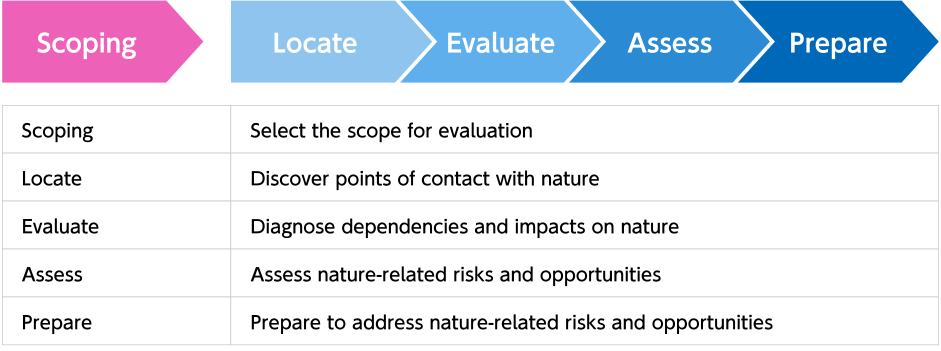
Overview of Initiatives Based on the Four Pillars
Governance
Structure
To promote responses to social issues, the Company has appointed the President and CEO as CSO (Chief Sustainability Officer), who leads sustainability-related initiatives across the Group. In addition, the Sustainability Committee, whose core members include the heads of departments related to sustainability, deliberates and determines directions for important sustainability issues such as decarbonization, natural capital, and biodiversity. Working groups and similar bodies are established under the Committee to examine measures for particularly important issues and to advance initiatives.
Strategy
Understanding Dependencies and Impacts on Natural Capital
In conducting business activities, our Company affects the natural environment through store construction and operations, while also relying on natural resources such as timber, water, and other raw materials in the development and sale of products. These business activities are heavily dependent on the rich blessings of the Earth, and without biodiversity, our business itself would not be sustainable.
Throughout the entire value chain—from raw material procurement, product manufacturing, and distribution to store operations—we identify dependencies and impacts on natural capital and promote initiatives for its conservation and regeneration (see “Analysis of Dependencies and Impacts Across the Group’s Businesses” below for details). At the raw material procurement stage in particular, we are strongly dependent on natural capital within the value chain, so we have established the Lawson Group Procurement Policy*4. Under this policy, we are working on the development and sale of products using certified materials that consider biodiversity, responsible use of resources, and waste reduction.
Going forward, we will continue to actively pursue initiatives to achieve nature-positive outcomes*5—halting and reversing biodiversity loss to put ecosystems on a path to recovery.
*4 Find out more about “Lawson Group Procurement Policy”
*5 Nature-positive outcomes: Halting and reversing biodiversity loss to place nature on a recovery trajectory.
Risk Management
Management Structure
To identify risks that significantly affect business management, analyze their potential impacts, and take appropriate responses according to risk characteristics, the Company has established a Company-wide Compliance and Risk Management Committee under the CRO (Chief Compliance and Risk Officer). This committee annually identifies risks associated with business activities and creates risk scenarios, including those related to climate change, biodiversity, human rights, and other social issues. Each risk scenario is assessed based on impact level and frequency of occurrence. Those deemed to have the potential for significant impact on financial conditions, business performance, cash flow, or strategy are designated as material risks, and we take measures to prevent their occurrence or mitigate damage if they arise.
Metrics and Targets
Environmental Vision
Targeting 2025, the Company’s 50th anniversary, and 2030, the SDGs milestone year, we have established social and environmental goals (KPIs) and are working diligently toward their achievement. As an additional long-term goal, we formulated the Environmental Vision “Lawson Blue Challenge 2050!”*6to help build a carbon-free society by 2050 and pass on a blue, abundant global environment to the future. We are advancing initiatives to address environmental challenges such as reducing CO2emissions, reducing food loss and waste, and reducing use of plastic in containers and packaging and plastic shopping bags, while striving to achieve the targets for 2025, 2030, and 2050.
*6 Find out more about the Environmental Vision “Lawson Blue Challenge 2050!”
Analysis of Dependencies and Impacts Across the Group’s Businesses
We conducted an analysis of how the Group’s businesses and value chain interact with nature. For example, when manufacturing rice balls sold in stores, raw materials such as rice and fillings benefit from various ecosystem services. On the other hand, the manufacturing process consumes energy and emits GHGs (greenhouse gases), thereby impacting the natural environment.
●Relationship Between Nature and Business Activities
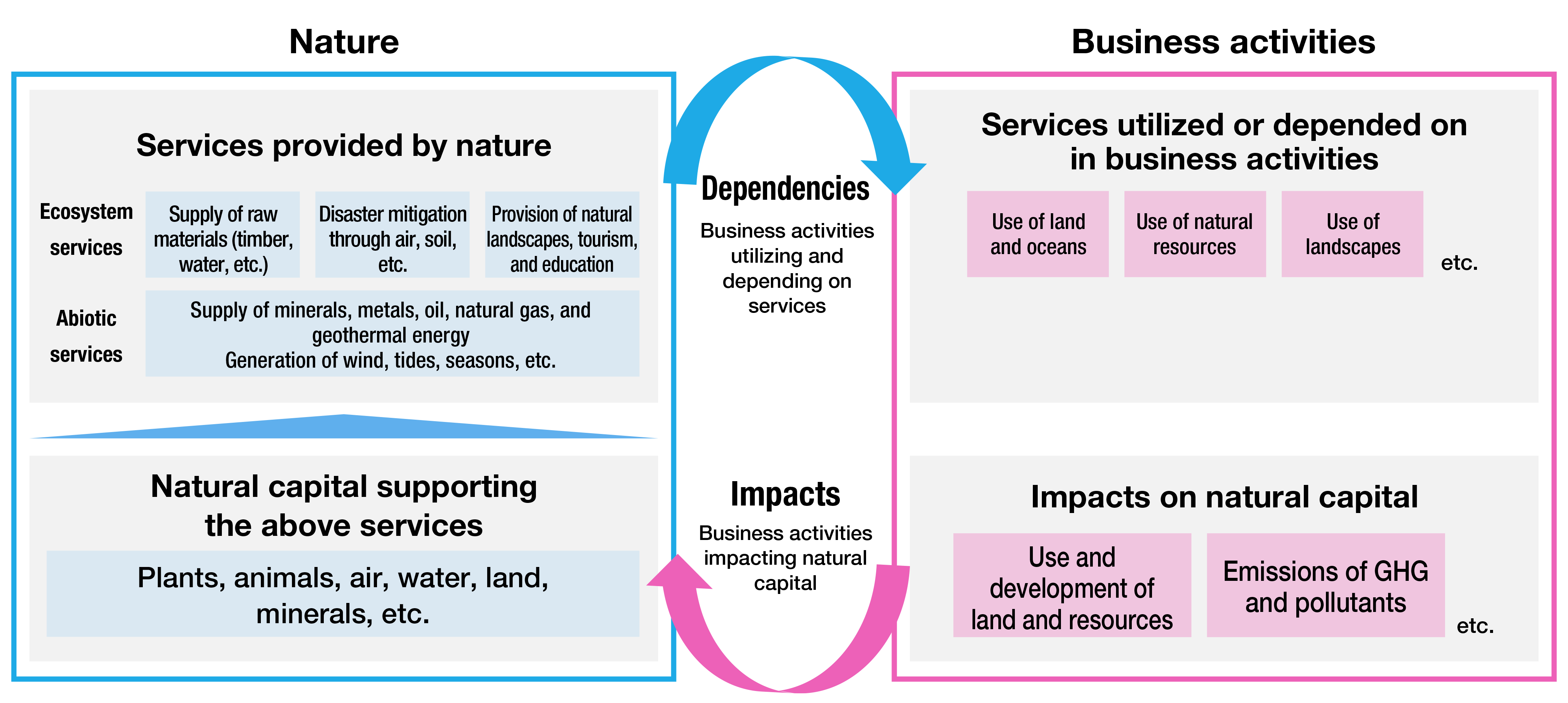
Accordingly, we analyzed the Group’s dependencies and impacts on natural capital within its business sectors using ENCORE*7.
The analysis covers direct operations and the upstream and downstream segments of the value chain across the five business segments operated by the Group: Domestic Convenience Store Business, Supermarket Business, Entertainment-related Business, Financial-related Business, and Overseas Business.
*7 ENCORE is a tool for identifying the degree of dependency and impact on natural capital by sector and production process, based on industry classifications.
●Business Segments and Industry Classifications
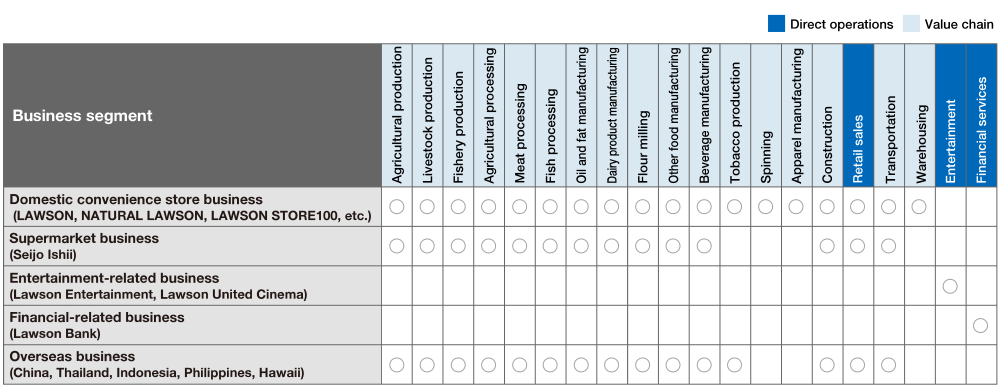
First, we organized the industry classifications relevant to direct operations and value chains in each business sector of the Group. Using ENCORE, we evaluated the degree of dependency and impact on natural capital within these classifications on a five-point scale from “Very High (VH)=5” to “Very Low (VL)=1” and calculated the average scores.
●Evaluation of Dependencies and Impacts by Industry Classification
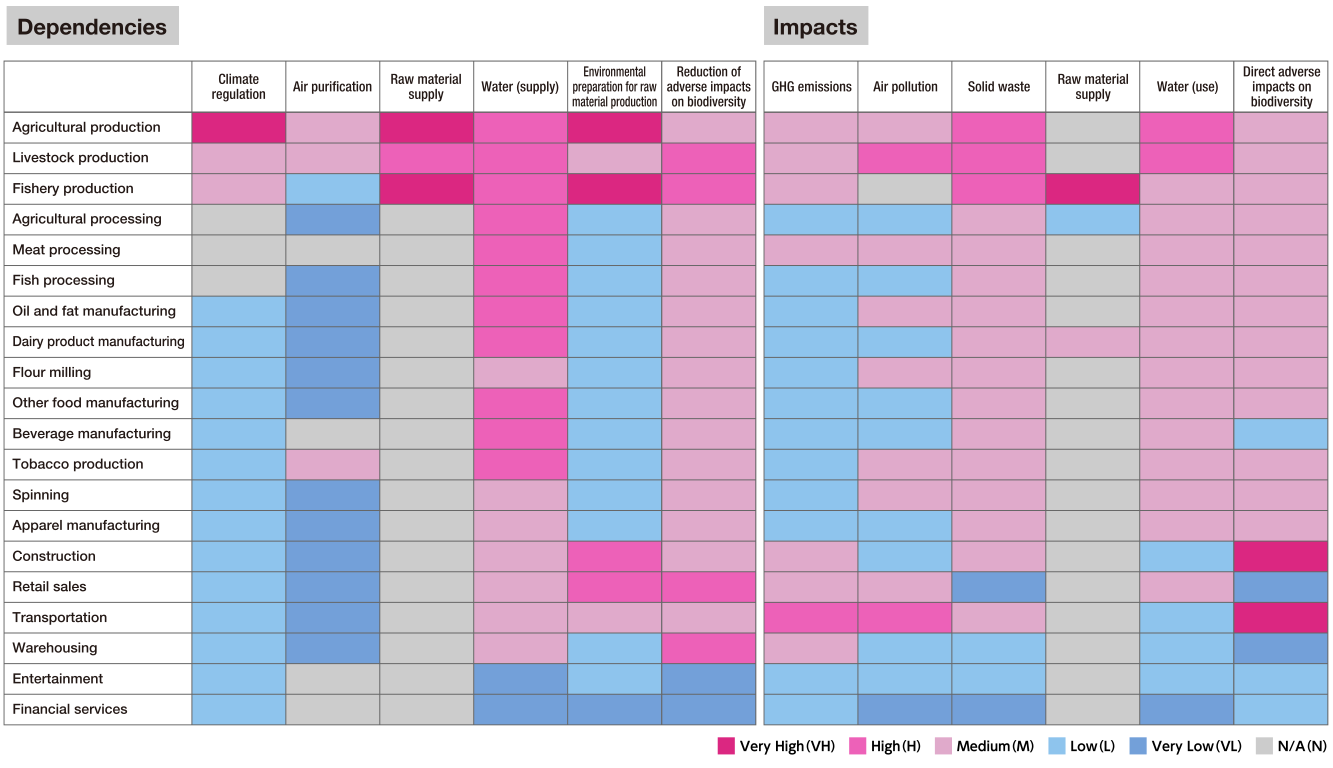
The analysis revealed that across the Group’s businesses, dependencies are particularly high on raw material supply such as agricultural, livestock, and fishery production; water (supply); and environmental maintenance for raw material production such as soil retention. On the other hand, impacts are particularly high in solid waste derived from fertilizers and feed used in agricultural, livestock, and fishery production, raw material supply; water (use); direct adverse impacts on biodiversity caused by store construction, transportation, noise, and light; and GHG emissions.
●Examples of Major Dependencies and Impacts in Group Businesses
| Evaluation Items | Main Examples in the Group | |
|---|---|---|
| Dependencies | Raw material supply | Production of ingredients for products (such as boxed meals and rice balls) |
| Water (supply) | Use in the production process of raw materials and in stores | |
| Environmental maintenance for raw material production, such as soil retention | During the production process of raw materials | |
| Impacts | Raw material supply | Use of resources in raw material procurement |
| Water (use) | Use in raw material and product manufacturing, and in stores | |
| Direct adverse impacts on biodiversity, such as noise and light | Land development and store construction | |
| GHG emissions | Use of electricity in stores, raw material procurement, use of trucks for product distribution, etc. | |
| Emissions of waste and pollutants | Food waste, air pollutants from transportation |
Identification of Raw Materials with High Dependence on and Impact to Natural Capital
Across all Group businesses, we have identified that dependence on and impact to natural capital are particularly high in the agricultural, livestock, and fishery production associated with the Group’s main products and services. Among agricultural, livestock, and fishery products, we have compiled a list of raw materials with particularly high impact on natural capital*8. Within this list, coffee beans have been selected for further in-depth analysis, given the Group’s large handling volume.
●List of Raw Materials with High Impact on Natural Capital
- Beef
- Cocoa
- Coffee beans
- Cotton
- Dairy products
- Marine products
- Corn
- Palm oil
- Pork
- Potatoes
- Chicken
- Rice
- Soy
- Sugarcane
- Timber
- Tobacco
- Wheat
- Others
*8 A framework called “SBTs for Nature” has been published which sets targets in the field of nature. As of July 2024, more than 30 items are covered.
Analysis of the Coffee Value Chain
Evaluation of Dependencies and Impacts
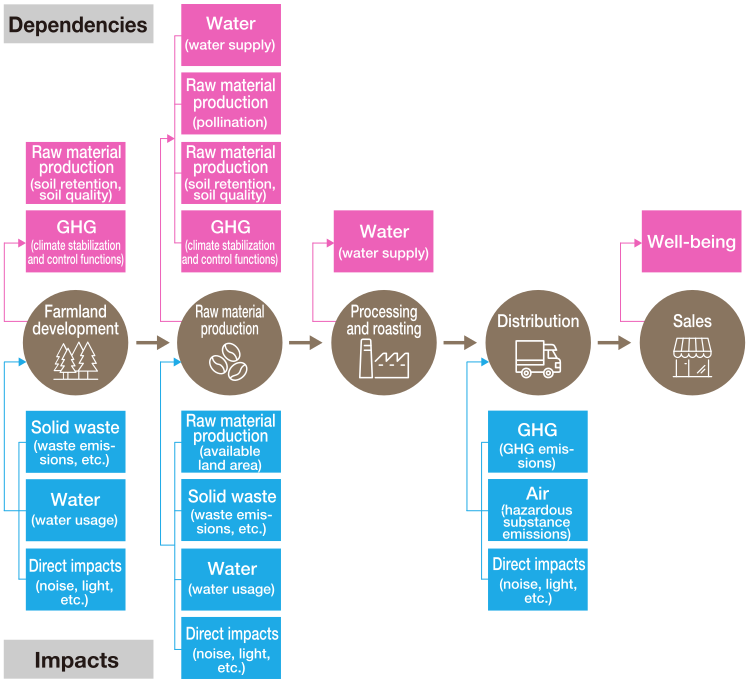
The coffee value chain was broken down into land development, raw material production, processing and roasting, distribution, and sales, and the relationships of dependencies and impacts were clarified.
It was found that in the upstream stages of land development and raw material production, the degree of dependence on and impact to nature is particularly high. Dependencies are high on GHG (functions for stable and regulated climate) and water supply. On the other hand, impacts are high for solid waste (waste emissions), direct adverse impacts on biodiversity (noise and light), and water use.
Since the evaluation by ENCORE is based on general figures, some qualitative assessments have been conducted in light of the characteristics of the Group’s value chain, and the results are reflected in the table below.
●Relationship Between Coffee Value Chain and Nature
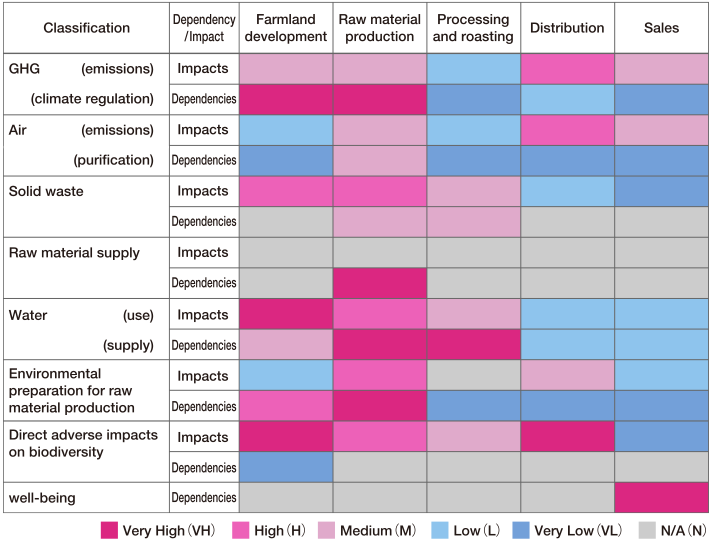
Dependencies and Impacts in the Coffee Value Chain (Very High and High only, extracted)
Management of Risks and Opportunities
The risks and opportunities in the Group’s businesses are greatly influenced by the relationship of dependence and impact on nature. Ahead of our scheduled scenario analysis, we organized risks and opportunities expected in the coffee value chain using sector-specific guidance based on the TNFD recommendations.
●Management of Risks and Opportunities in the Coffee Value Chain
| Risks/Opportunities | Category | Examples of Major Expected Risks and Opportunities |
|---|---|---|
| Physical risks | Acute | Decreased harvest yields and increased procurement costs due to rising temperatures |
| Decreased harvest yields and increased procurement costs due to water shortages and droughts | ||
| Decreased harvest yields and increased procurement costs due to natural disasters | ||
| Chronic | Increased burden of changing procurement sources due to changes in suitable cultivation areas caused by rising average temperatures | |
| Increased costs for machine or manual pollination due to decline in natural pollinators | ||
| Increased disaster insurance costs due to the loss of natural mitigation functions (climate regulation, flood control, soil retention, etc.) | ||
| Transition risks | Policy/Legal | Increased costs for compliance due to stricter GHG emission regulations |
| Increased costs for compliance due to stricter regulations related to natural capital | ||
| Technology | Increased costs for shifting to agricultural practices with lower environmental impact | |
| Increased costs for transitioning to systems that reduce food waste generation | ||
| Market/Reputation | Decline in brand image due to delays in addressing environmental considerations in raw material procurement | |
| Decline in brand image due to delays in addressing food waste reduction | ||
| Opportunities | Resource efficiency | Reduced water use through the introduction of water-saving and recycling technologies |
| Reduced energy consumption through efficiency and optimization of distribution | ||
| Products/Services | Increased sales from offering more sustainably certified food and agricultural products, in line with changes in consumer lifestyles and preferences | |
| Increased revenue through reuse of food loss and waste | ||
| Reputation | Enhanced brand image through the development of environmentally conscious products and services |
Detailed Analysis of Major Risks
In the coffee value chain, dependence and impact on water resources are significant and greatly influence the risks and opportunities identified for this value chain. The severity of water risks varies significantly by region.
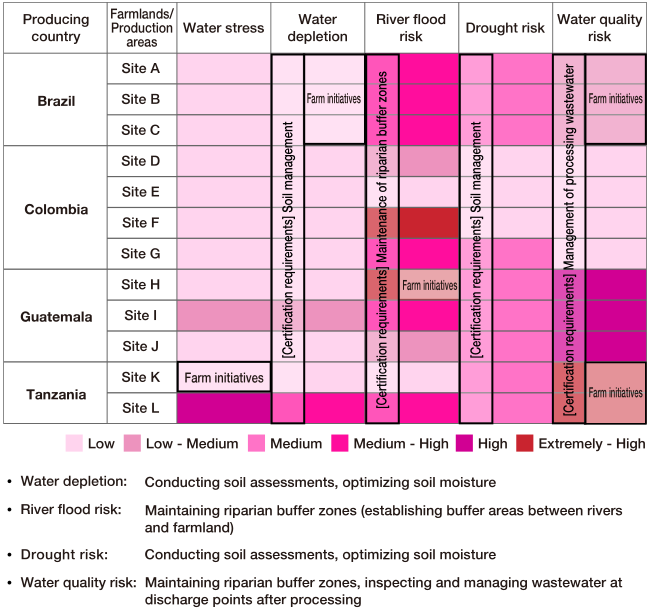
The Company operates an in-store freshly brewed coffee service, MACHI café, and the countries and regions from which coffee beans are procured are important areas for the Company’s business. Using the water risk assessment tool Aqueduct*9, an analysis was conducted of the risks related to water resources at the 12 coffee farms (Sites A – L) located in Brazil, Colombia, Guatemala, and Tanzania, which are the Company’s main coffee bean procurement sources.
*9 A water risk analysis tool provided by WRI (World Resources Institute). Based on location data, it evaluates the specified types of risk at the given site on a six-level scale from Low to Extremely High.
●Types of Water Risks Analyzed
| Risk type | Description |
|---|---|
| Water stress | Risk calculated based on total water demand, representing the absolute volume of water withdrawn |
| Water depletion | Ratio of consumption to available supply |
| Flood risk | Annual average number of people affected, calculated from both flood likelihood and estimated affected population |
| Drought risk | Annual average scale of people affected, calculated from both drought likelihood and estimated affected population |
| Water quality risk |
Assessed based on an integrated evaluation of two indicators
|
●Water Risk Analysis by Site
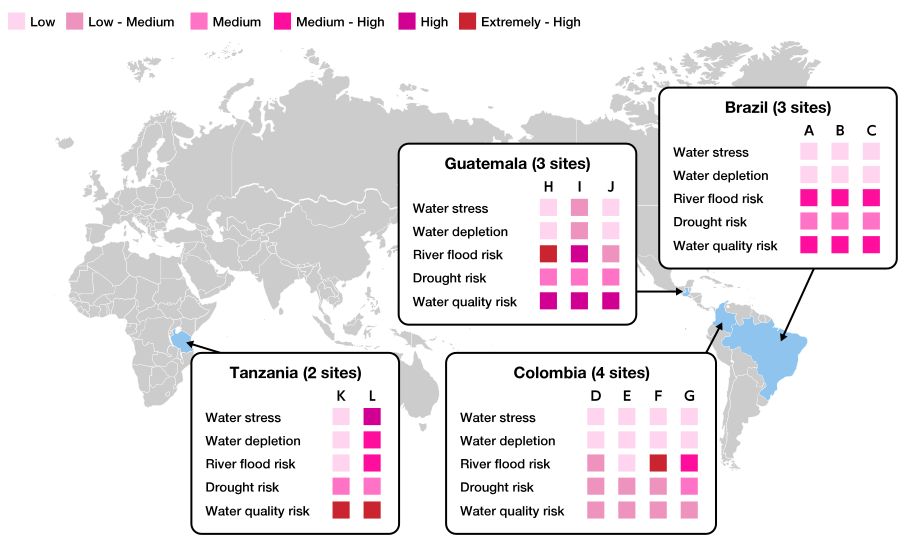
Management of Major Risks
Collaboration with Coffee Farms
Since its launch in 2011, our in-store freshly brewed coffee service, MACHI café, has worked to improve the human rights of producers and workers, adopted farming methods aimed at conserving natural capital and biodiversity, and used coffee beans from Rainforest Alliance Certified farms*10that comply with the Rainforest Alliance Sustainable Agriculture Standard. Each year, we have increased the proportion of certified farm beans, and in 2015 we achieved 100%*11use of certified beans for coffee and café latte (hot and iced), a practice that continues today.
We also designate farms and production regions and build medium- to long-term trading relationships to secure farms’ economic stability, while providing support for human rights and biodiversity conservation efforts.
*10 Find out more about “ra.org” (external link)
Find out more about initiatives related to “Rainforest Alliance Certification”
*11 Mocha Blend is not of the scope.
●Main Initiatives in Line with Rainforest Alliance Sustainable Agriculture Standard Farm Requirements
| Item | Content | |
|---|---|---|
| Respect for human rights | Implement an assess-and-address system for child labor, forced labor, discrimination, workplace violence, and harassment, with risk assessments, grievance mechanisms, and mitigation plans. | |
| Establishment of systems to promote gender equality and women’s empowerment | ||
| Setting guidelines to guarantee minimum wages for farm workers | ||
| Setting guidelines on labor conditions (working hours, leave, and benefits) | ||
| Setting guidelines to protect workers’ health and safety (clean toilets, safe drinking water, etc.) | ||
| Environment preservation | GHG emissions | Proper management of energy used in production and processing |
| Waste | Proper management of waste to avoid risks to people and natural ecosystems | |
| Water risk | Proper management of wastewater from processing | |
| Soil management through soil evaluation at least once every three years and optimizing soil moisture | ||
| Maintenance of riparian buffers (buffer zones between rivers and farmland) | ||
| Land use | Confirmation that natural forests and ecosystems are not converted for agricultural or other land use (since 2014) | |
Our coffee value chain depends on natural capital and is supported by many stakeholders, including coffee producers.
At the same time, nearly 80% of deforestation is said to be caused by agricultural activity, and risks such as forced and child labor, overuse of resources, and improper waste management cannot be eliminated in coffee sourcing.
To avoid these issues and risks, respect human rights, and conserve the natural environment-i.e., for responsible coffee beans sourcing - we promote the use of beans from Rainforest Alliance Certified farms.
Of course, we recognize that the use of certified beans alone does not resolve all issues and risks. Beyond Rainforest Alliance certification program initiatives, we are committed to contributing to the creation of a more sustainable society through various efforts.
Response to Water risks
In the water risk analysis by production region conducted with Aqueduct, coffee farms were identified as being particularly exposed to river flood risk and water quality risk. However, we have confirmed that Sustainable Agriculture Standard farm requirements, as well as farm-specific measures, ensure that countermeasures are in place to cover these high-risk areas.
●Measures against Water Risks – Rainforest Alliance Certification Requirements
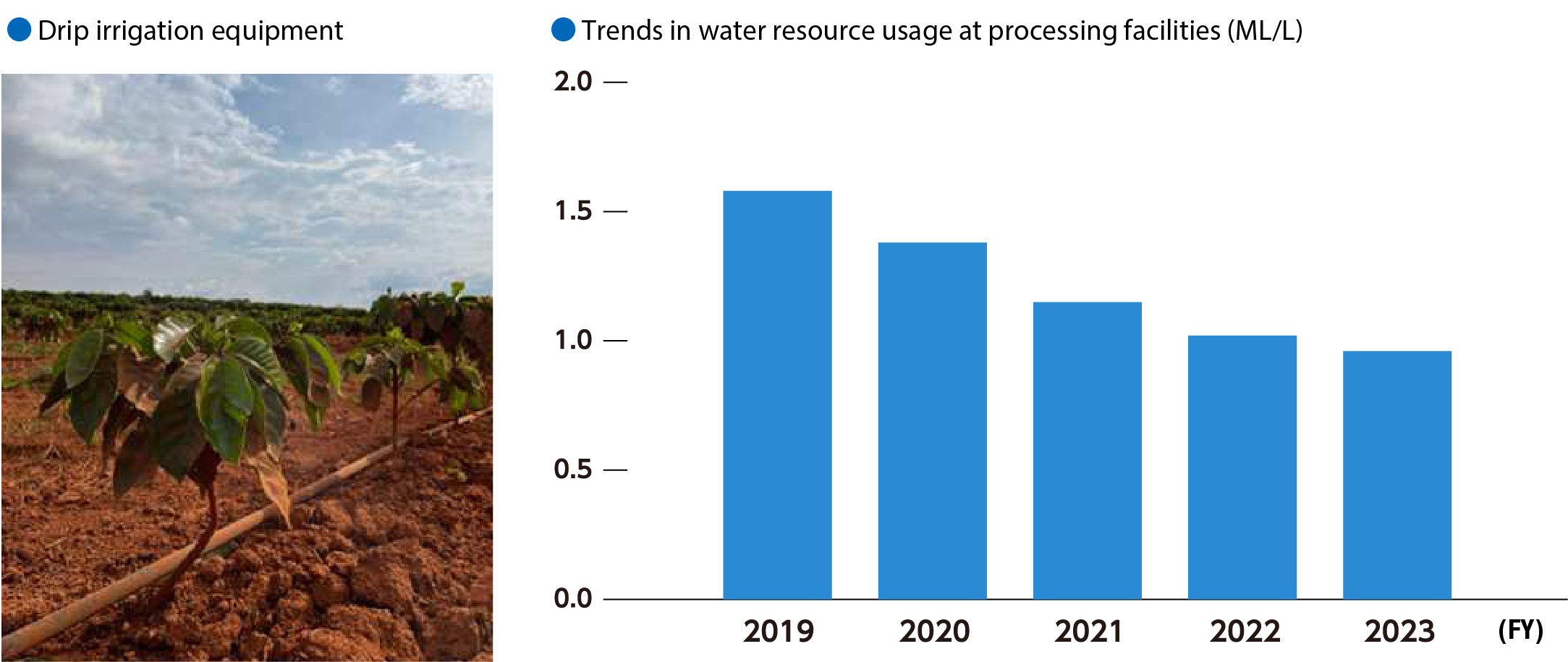
Examples of Appropriate Water Resource Use at the Ipanema Farm in Brazil
●Drip Irrigation Equipment
Irrigation equipment has been introduced for coffee tree cultivation, and the irrigated area has been expanding each year. By using irrigation equipment, the farm prevents the drying of coffee trees, thereby improving production efficiency and stabilizing yields. The drip irrigation system adopted at the Ipanema Farm delivers water directly to the roots of the coffee trees, making it three to four times more efficient than the pivot method, contributing to water conservation.
●Processing Equipment
In the processing stage, where coffee beans are extracted by removing pulp and other components from the cherries, large amounts of water are used for washing after harvest, sorting by water flotation, and fermentation to remove the mucilage surrounding the beans. At the Ipanema Farm, water use in each step is monitored and adjusted to optimal levels, reducing annual water consumption in processing. In 2023, the farm reduced water use per liter of coffee cherries by about 40% compared with 2019.
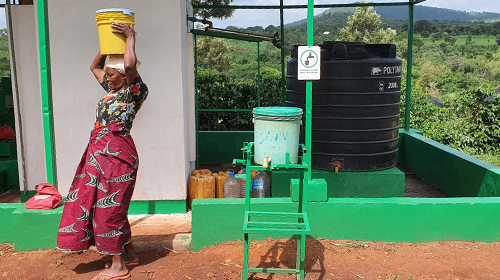
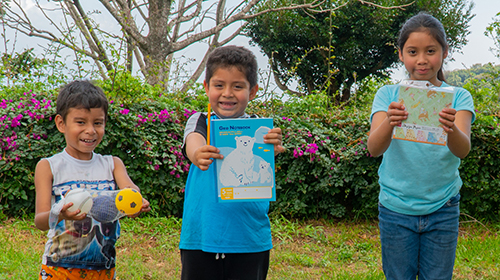
Social and Environmental Measures Beyond Water Risks
Support for Addressing Social Issues on Coffee Farms
Each farm undertakes initiatives to support workers and local communities to improve living conditions. As a company that uses coffee beans, we help enhance the sustainability of producing regions and producers by supporting these initiatives.
In 2022, to mark the 10th anniversary of MACHI café, we launched the “Let’s Say Thank You to Coffee Producers Project,” and the theme “A future where everyone can easily and safely wash their hands and drink water!” was selected by our customers via voting. At the AVIV Farm in Tanzania, we installed water tanks and provided water delivery by truck, ensuring that all people involved in coffee production, including those far from wells, can access safe water.
Other initiatives include donating books to orphanages to support education and making donations to farm workers.
Environmental Initiatives on Coffee Farms
The Ipanema Farm in Brazil was an early recipient of certifications granted to producers that take environmental considerations into account. The farm practices sustainable coffee cultivation with minimal impact on nature and people through responsible use of resources, while actively working on environmental conservation and biodiversity protection.
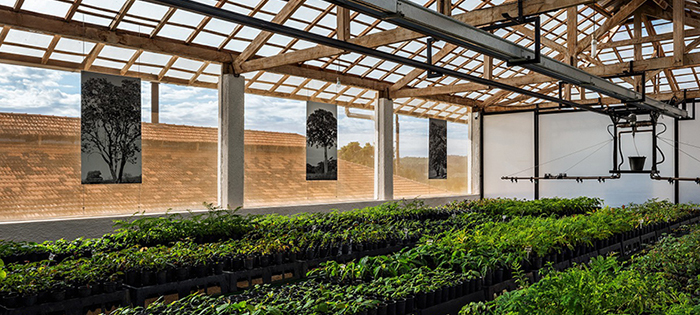
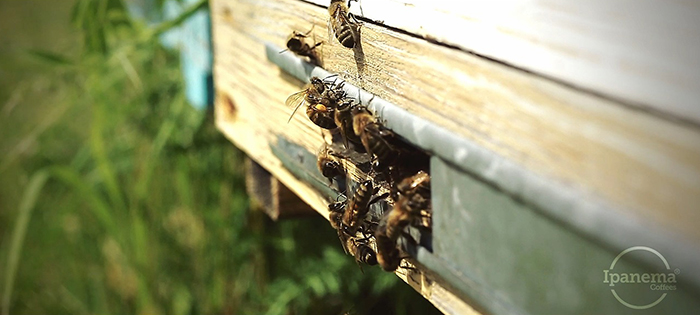
Since 2002, the farm has planted more than 455,000 trees*12to conserve biodiversity. It has built facilities for raising seedlings of native forests and established an environmental monitoring center to collect data on weather, forest seeds, and wildlife. In addition, the farm maintains 270 beehives to promote pollination of various native plants and enhance biodiversity.
*12 Cumulative total from 2002 to 2023
Future Promotion Plans
The Group’s value chain in business activities depends heavily on natural capital at the raw material procurement stage. To address biodiversity issues related to our products, the Sustainability Committee and its working groups will continue to develop policies and advance initiatives such as risk management.
In particular, at the raw material procurement stage, we will promote the development and sale of products using certified materials that take biodiversity into account, the use of such materials in packaging, and the establishment of indicators and targets related to certified materials.

- Message from the President
- Corporate Conduct Charter, Code of Ethics, and Policies
- Identification of Lawson’s Material Issues
- Environmental Vision Lawson Blue Challenge 2050 !
- Participation in Initiatives
- Sustainability Promotion System
- TCFD Proposal Initiatives
- TNFD Proposal Initiatives
- Environmental Preservation and Corporate Citizenship Activities
- Carbon-free Initiatives
- Initiatives for Global Environmental Conservation
- Supply Chain
- The Lawson Group's "Happiness in Communities" Fundraising
- Respect for Human Rights
- Customer Relations
- Owners
- Relationship with Suppliers
- Supplier Hotline
- Employee Relations
- Community Relations
- Supporting Safety and Security in the Community
- Corporate Governance
- ESG Data
- Special Feature
- Sustainability Report


